
Impact of Invasive Species on Soil Biodiversity and Ecosystem Functioning
Understanding the impact of biological invasions on soil requires moving beyond simple species counts to analyze which functional groups are affected. The immense biodiversity in a single gram of soil means shifts in specific organism types—decomposers, mutualists, or pathogens—profoundly alter ecosystem processes. For instance, European earthworms, beneficial in their native range, are invasive in North American forests, altering soil structure and plant communities. A globally successful invader is the earthworm Pontoscolex corethrurus, native to the Guiana Plateau but now ubiquitous in disturbed tropical soils and even Finnish greenhouses.
Plants shape soil communities directly as hosts and partners, and indirectly via leaf litter and root exudates. Exotic plants often become invasive when they escape specialized soil pathogens and herbivores or do not require local mutualistic symbionts. This competitive release allows disproportionate abundance. Furthermore, if exotic plants are poor hosts for mutualists like mycorrhizal fungi, they can indirectly suppress native plants dependent on those symbioses, reducing native plant recruitment and growth.
The litter quality of invasive plants critically drives change. Fast-growing exotics producing readily decomposed litter can boost decomposer abundance, accelerating nutrient cycling and creating a self-reinforcing growth advantage. Conversely, novel chemicals in invasive litter can disrupt decomposition, as native soil communities lack the ability to process them. A classic example is the invasion of Hawaii by the nitrogen-fixing shrub Myrica faya, which drastically altered island nitrogen pools and fluxes where no native fixers existed.
However, impacts are not uniform. Some invaders, like Japanese knotweed, shift specific organism groups—reducing snail and isopod diversity while increasing predators—without overhauling entire nutrient cycles. This variability suggests that many exotic plants fail to invade because resident soil pathogens effectively control them, a concept with promising implications for biocontrol but requiring extensive safety research.
Current and Future Issues: Ecosystem Function and Resilience. The dominance by invasive species significantly impacts ecosystem functioning. Beyond potential biodiversity loss, invasions alter nutrient cycling, soil hydrology, and disturbance regimes, as seen with fire-prone Eucalyptus in Southern Europe (Fig. 5.16). Invasive species often outcompete valuable indigenous species, degrading ecosystem services. Europe, once considered less susceptible, now faces significant threats from numerous established invaders.
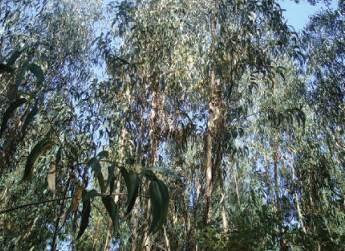
Fig. 5.16: Eucalyptus (Eucalyptus globulus)
A key theoretical question is whether soil biodiversity offers protection against invasions. Diverse communities may fully occupy ecological niches, leaving fewer opportunities for invaders. This proposed "insurance effect" also suggests biodiverse soils are more likely to harbor pathogens or herbivores that can control exotic plants, either immediately or through adaptive evolution over time. While empirical evidence is still emerging, promoting soil biodiversity may be a crucial strategy for enhancing ecosystem resistance.
Is Recovery from Invasions Possible? Ecosystem recovery post-invasion is often hindered by persistent soil legacies. Invasive plants that degrade symbiotic mycorrhizal fungi networks create lasting barriers for dependent native plants, such as orchids and tree seedlings. Merely eradicating the invader is frequently insufficient; active restoration of soil biodiversity is now recognized as essential to recover original ecosystem properties and services.
The complexity of soil interaction webs poses a major challenge. In European coastal dunes, for example, native marram grass is protected by a intricate web of biotic interactions. An invader disrupting this balance may prevent its re-establishment. In some cases, changes to soil chemistry and biota are so profound that a full return to the pre-invasion state is ecologically impossible, underscoring the critical importance of prevention and early intervention.
Date added: 2025-12-15; views: 549;