
Biological Invasions and Soil Biodiversity: Threats, Mechanisms, and Climate Linkages
Biological invasions occur when introduced exotic species establish excessive, problematic populations in new regions. In Europe, an estimated 11,000 invasive alien species are cataloged by resources like the DAISIE European Invasive Alien Species Gateway. Classic examples include the black rat and Giant Hogweed (Fig. 5.13), a Caucasian plant causing severe skin blistering. However, documented cases of invasive soil organisms remain relatively scarce, highlighting a critical knowledge gap in below-ground ecology.
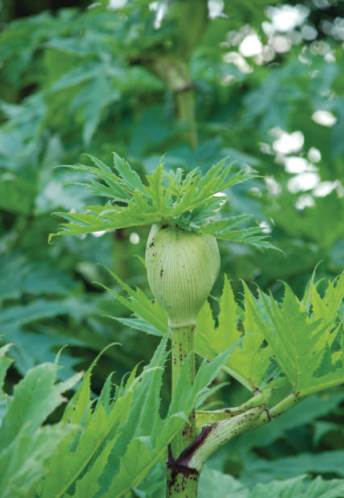
Fig. 5.13: Giant Hogweed (Heracleum mantegazzianum)
Known invasive soil biota include the New Zealand Flatworm (Fig. 5.15), which severely reduces earthworm diversity in parts of the UK, and various invasive soil pathogens. Scientists posit the actual number of invasive soil species is vastly underestimated, as most soil-dwelling organisms are notoriously difficult to sample and identify. This unseen invasion potential represents a significant latent risk to terrestrial ecosystem stability and function.
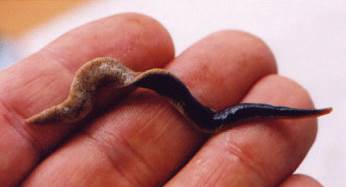
Fig. 5.15: New Zealand Flatworm (Arthurdendyus triangulatus)
The problems caused by invasive species manifest as both ecological and economic costs. Economic impacts arise when species impede commercial activities, requiring costly control measures. Examples include water hyacinths blocking ship traffic, tigernut sedge infesting crops, and Eucalyptus trees in Southern Europe increasing wildfire risk due to their slow-decomposing, flammable leaf litter.
Ecological costs become evident when exotic species displace natives, such as the replacement of the UK's native red squirrels by invasive gray squirrels from North America. Similarly, exotic plants can suppress native symbiotic soil fungi essential for tree seedling establishment. Invasives also alter ecosystem functioning; fast-growing plants with readily decomposed litter can accelerate nutrient cycling, shifting plant community composition and associated below-ground biodiversity.
Human activity is the primary driver of biological invasions, transporting species across natural barriers like oceans. Historical colonization led to numerous intentional and accidental introductions, such as Black Cherry (Fig. 5.18), brought to Europe to amend sandy soils but now a costly plague. Modern pathways include global transport, tourism, and the trade in goods, spreading species like the Western Corn rootworm from airports or the Asian Tiger mosquito in potting soil.
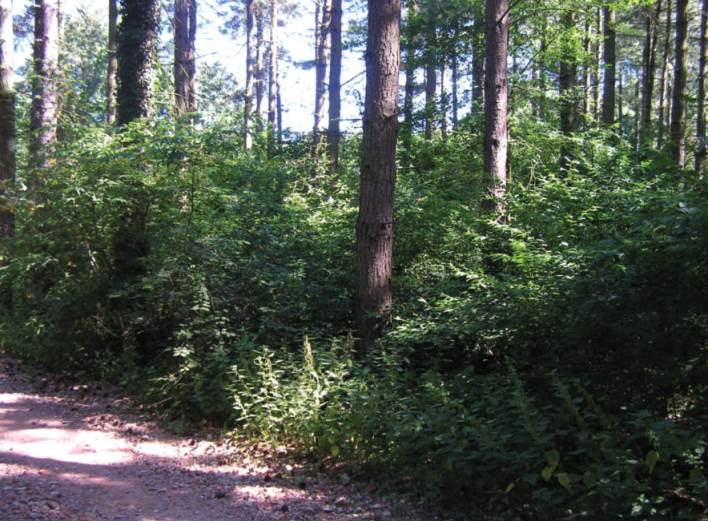
Fig. 5.18: Black Cherry (Prunus serotina)
Introduction alone rarely leads to invasion; only a tiny fraction of introduced species become invasive. Success requires a confluence of biotic and abiotic factors, including escape from natural population controls found in their native range and suitable soil and climatic conditions. This stringent set of prerequisites limits, but does not eliminate, the threat of establishment and spread.
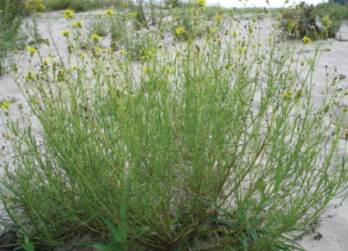
Fig. 5.17: Narrow-leaved Ragwort (Senecio inaequidens)
Climate change is dynamically altering invasion dynamics. Warmer temperatures are making new areas suitable for species like narrowleaved ragwort from South Africa (Fig. 5.17), which is now expanding northward and eastward in Europe. Furthermore, climate warming-induced range expansions can mimic invasions, as seen with Austrian yellowcress (Fig. 5.14), which moves northward faster than its natural enemies, gaining a competitive release.
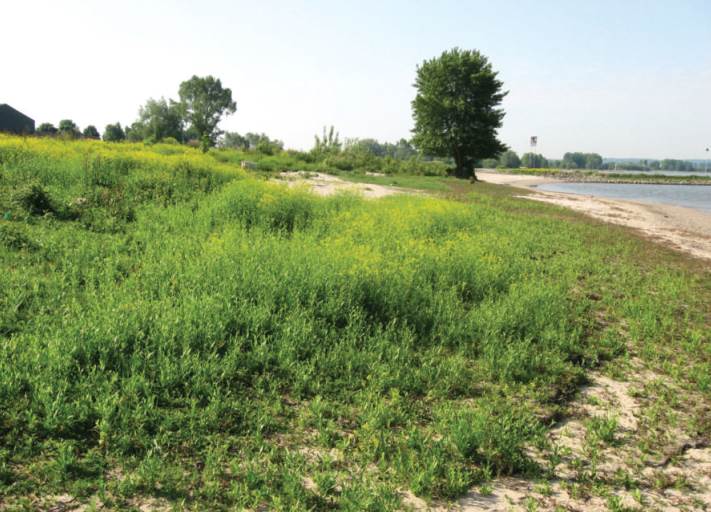
Fig. 5.14: Austrian yellowcress (Rorippa austriaca)
Range-expanding species may also switch host plants or be freed from soil-borne enemies like pathogenic nematodes or fungi. The theoretical frameworks for studying exotic invasions are increasingly applied to understand these climate-facilitated expansions. A key unanswered question is whether such species will behave like invasive exotics or integrate like natives. Unraveling this mystery is paramount, as the soil and its inherent biodiversity play a crucial, yet poorly understood, role in mediating ecosystem responses to these intertwined global change drivers.
Date added: 2025-12-15; views: 496;